Dealing with the COVID-19 crisis

COVID-19 Update
April 6, 2020
WAFJ interviewed Dr. Jay Earles
May 15, 2020
There are two important aspects explained below that I recommend we consider in how to respond to the changes in our world since COVID-19 made its appearance. One quote that may help with the overall approach is “the only way out is through.” As needs arise, Hope Community Counseling Center is available to ensure you adjust as well as possible to the present circumstances.
Grief
Since the beginning of the social distancing restrictions, there have been many articles with suggestions for dealing with anxiety and depression. One way to consider the rise in sad, angry or anxious thoughts and feelings is grief at the loss of so much that makes us feel normal. The extent of the social distancing lifestyle changes are so immense it is normal to experience negative emotions. Our previous expectations of how to live no longer apply at this time. When our expectations are not consistent with reality, we experience a “reality gap.” In this space, we typically feel a sense of loss that may be expressed by anger, sadness or fear. The best way to deal with these losses is to examine our expectations of ourselves and others. We need to be very clear about the things we don’t control and appropriately adjust to the present reality. We then are able to learn new ways of being that are healthier. We can actually honor our loss by living the best we can in the moment and by helping others. One goal you might have would be to live in a way that when the present crisis is over, you can look back and say you did your best.
Connection
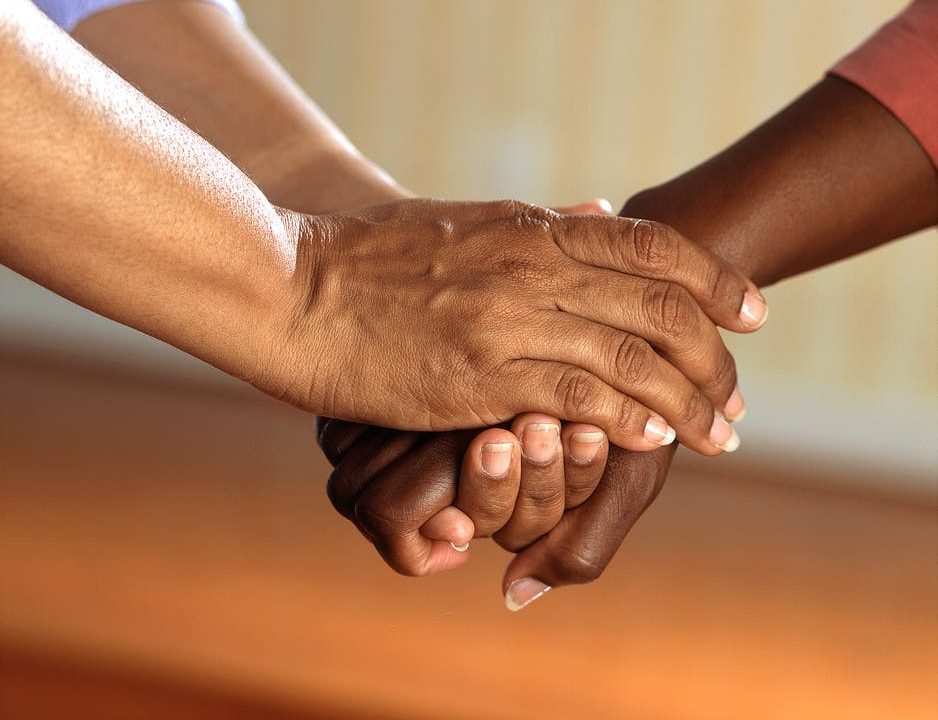
Physical isolation and loneliness are highly correlated with depression and other mental health concerns. Social distancing has caused significant harm to large sections of our communities. It’s more important than ever to stay in contact with our friends, listen to each other and offer and receive encouragement when necessary. The most at risk are those who were already isolated and those without an online presence. Others at risk include those with chronic medical conditions who are not just more vulnerable to COVID-19, they may be struggling to receive routine medical care or obtain the necessary support to manage their illness as well. Depression, which is commonly seen with chronic medical disorders in the best of times, may increase under these conditions. Victims of domestic violence or child abuse and those battling addictions are at increased risk when isolated. If you know someone in these categories, don’t wait for them to call you. It will likely require proactive outreach from you to ensure their safety and wellbeing. When we are interacting with others, we are most helpful by listening uncritically and with compassion. To stay connected, we will need to be flexible, adaptable and persistent.